Most enterprise transformations fail before they leave the boardroom.
You've seen it. Strategy decks that promise everything. Roadmaps that stretch three years. Consultants who leave before implementation starts.
The problem isn't the strategy. It's the execution gap.
Why Execution Frameworks Matter More in 2026
Enterprise transformation in 2026 isn't about having the best AI strategy or the most comprehensive modernization plan. It's about having a framework that moves from diagnostic to delivery in weeks, not quarters.
Organizations that succeed share one thing: they diagnose fast, execute faster, and scale ruthlessly. Scaling ruthlessly often involves leveraging product engineering services to ensure the technical foundation can support rapid growth.
If you want the full picture, start with The Proven Execution Framework and then go deeper on what it looks like in real-world modernization programs with Platform Modernization 2026. Both reinforce the same execution-first model: a fast Delivery Diagnostic followed by a clear Execution Roadmap you can actually run.
Here's the framework that gets results.

Phase 1: The Delivery Diagnostic (Week 1-2)
Forget the 90-day assessment. You don't need three months to know what's broken.
The Delivery Diagnostic focuses on three questions:
What's blocking execution right now?
Not what might block you. What's actively preventing your teams from delivering today. This could be technical debt, unclear ownership, or governance bottlenecks.
Where's the organizational friction?
Transformation fails when processes, people, and technology pull in different directions. Map the friction points between your architecture teams, delivery squads, and business units.
What can we ship in 30 days?
If you can't identify quick wins that demonstrate momentum, your transformation is already at risk. The diagnostic must surface tangible deliverables.
This isn't about creating another PowerPoint. It's about building a live execution map that shows who owns what, where dependencies exist, and what success looks like.
Phase 2: The Three-Pillar Execution Framework
Once you've diagnosed the delivery blockers, execution happens across three synchronized pillars.
Pillar 1: Governed Architecture
In 2026, architecture isn't a supporting function. It's the operational backbone that enables speed.
Real-time visibility matters more than perfect documentation. Your architecture team needs to show how decisions, data flows, and risks propagate through the enterprise: not in quarterly reviews, but daily.
Action items:
- Implement dynamic architecture views that update as teams ship changes
- Embed governance into architectural design choices from day one
- Create decision frameworks that allow autonomy without losing control
Most organizations treat architecture as documentation. Winners treat it as their execution engine.

Pillar 2: Data as a Strategic Asset
Agentic AI, predictive analytics, and automation only work if your data governance is rock solid.
But data governance in 2026 doesn't mean creating more committees. It means making data accessible, trustworthy, and actionable for the teams that need it.
Key execution moves:
- Establish data ownership at the domain level, not the central team level
- Build data quality metrics into delivery pipelines
- Create self-service data access with automated compliance checks
The organizations scaling transformation fastest aren't the ones with the most data scientists. They're the ones where engineers can access quality data in minutes, not weeks.
Pillar 3: Execution Operating Model
This is where transformation lives or dies.
Your operating model must support distributed execution while maintaining enterprise coherence. Teams need autonomy to move fast. Leadership needs visibility to manage risk.
What this looks like:
- Clear decision rights at every level
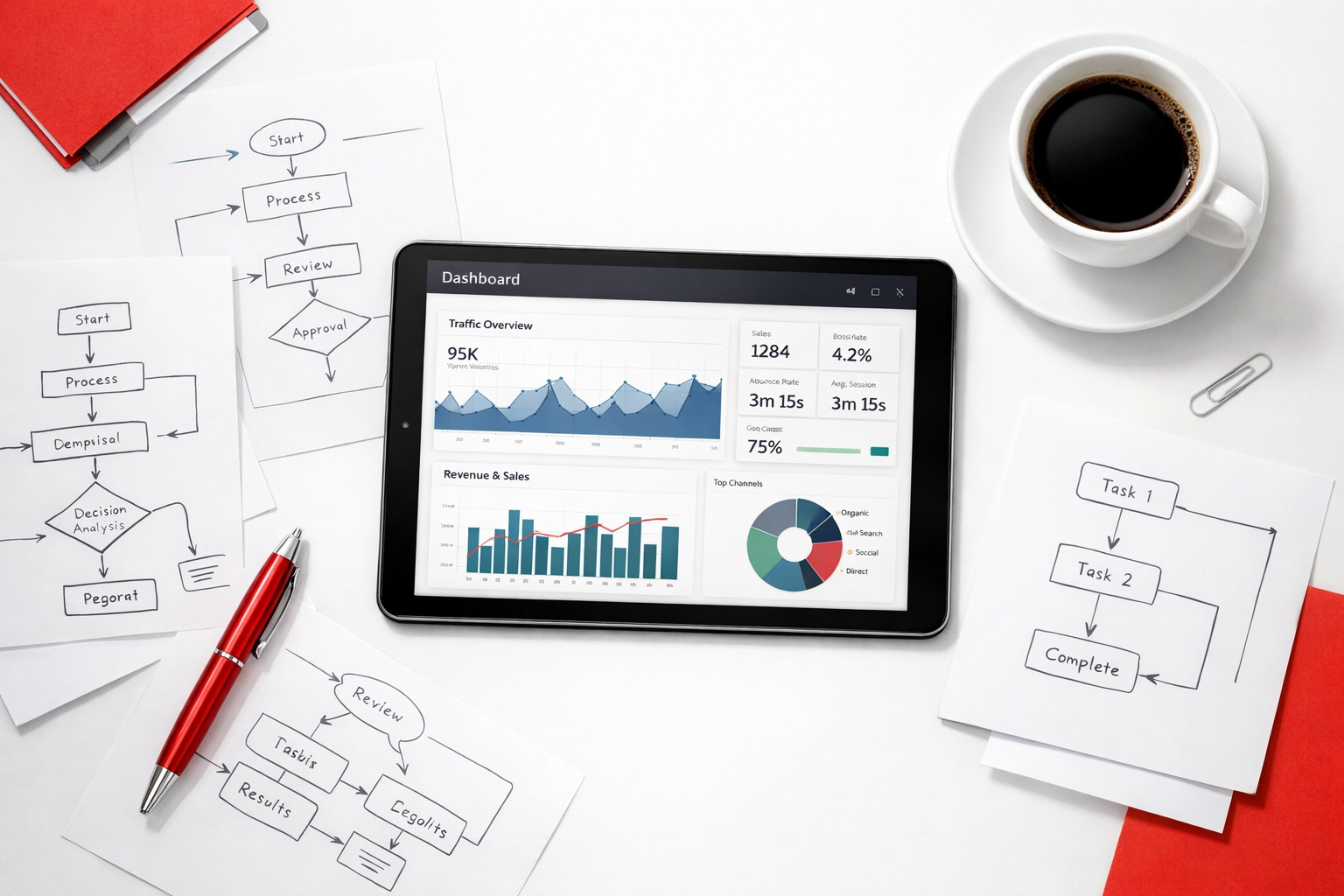
- Transparent delivery metrics that everyone can see
- Weekly execution reviews focused on blockers, not status updates
- Escalation paths that resolve issues in days, not sprints
The biggest mistake? Trying to centralize everything. The second biggest? Decentralizing without any governance.
Phase 3: Scaling Through Standardization
You've diagnosed the blockers. You've started executing across the three pillars. Now you need to scale without creating chaos.
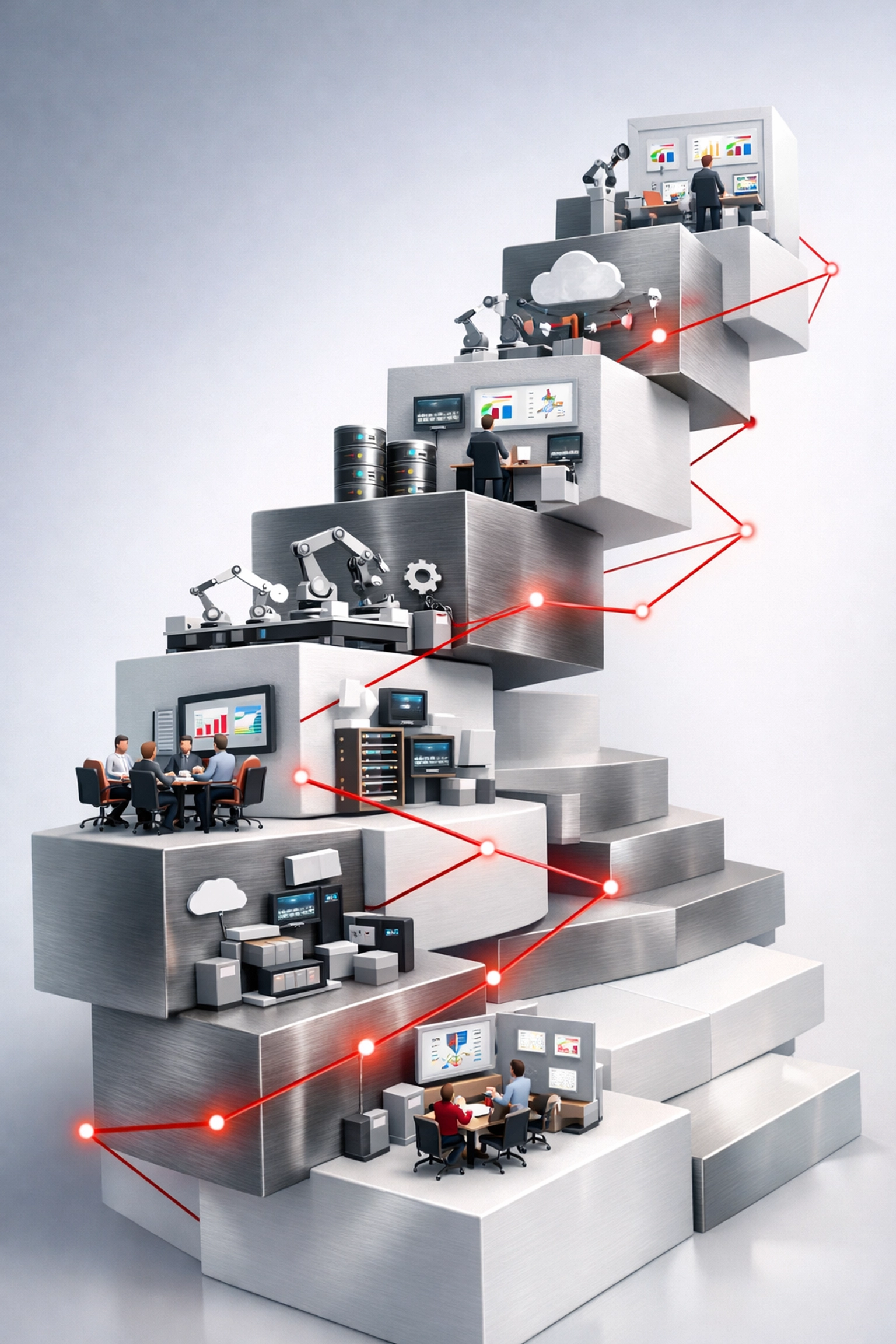
Scaling isn't about doing more of the same. It's about identifying what's working and making it repeatable.
The scaling playbook:
Identify your execution patterns. After 60 days, you'll see which approaches deliver results. Document them. Turn them into repeatable patterns that other teams can adopt.
Build platform capabilities, not project solutions. Every project should contribute to shared capabilities. This is how you compound execution velocity.
Create feedback loops that accelerate learning. Weekly retrospectives at the team level. Monthly pattern reviews at the portfolio level. Quarterly strategy alignment with the board.
Embed automation everywhere. From infrastructure provisioning to compliance checks to delivery metrics. If humans are doing repetitive work, your scaling model is broken.
The organizations that scale transformation successfully don't try to control everything. They standardize the things that matter and let teams innovate within guardrails.
The 2026 Reality: Speed Wins
Enterprise transformation in 2026 rewards speed over perfection.
The companies pulling ahead aren't the ones with the most sophisticated strategies. They're the ones that can diagnose problems in weeks, execute solutions in sprints, and scale successes across the organization in quarters.
This framework: Delivery Diagnostic to Scale: removes the execution gap. It forces you to start with what's blocking delivery today. It structures execution around the three pillars that actually matter. And it scales through standardization and automation, not heroic effort.
Making It Real
Here's what this looks like in practice:
Week 1-2: Delivery Diagnostic identifies that your platform modernization is stalled because teams lack clear ownership and architectural standards.
Week 3-6: You establish governed architecture practices, clarify data ownership for three core domains, and implement a new operating model with clear decision rights.
Week 7-12: Two teams successfully migrate services using the new patterns. You document what worked. Three more teams adopt the approach.
Quarter 2: You've scaled the pattern across eight teams. Deployment frequency is up 3x. Lead time for changes is down 60%. Your board actually sees the transformation happening.
That's execution.
Your Next Move
If your transformation is stuck in planning mode, you don't need another strategy session.
You need to diagnose what's blocking execution, implement the framework that enables delivery, and scale what works.
The Delivery Diagnostic to Scale framework gives you exactly that. It's the difference between talking about transformation and actually shipping it.
Ready to move from strategy slides to delivered value? Visit our services page to see how we help enterprise leaders turn transformation plans into execution reality: or contact our team to discuss your specific delivery challenges.
Execution beats strategy. Every time.